Echinacea Companion Plants: The Ultimate Guide To Growing Healthy And Beautiful Flowers And Vegetables Together
Echinacea Companion Plants: The Ultimate Guide to Growing Healthy and Beautiful Flowers and Vegetables Together
Echinacea is a beautiful and versatile flower that can be grown in a variety of gardens. It is also a popular medicinal plant, used to treat a variety of health conditions. When choosing companion plants for echinacea, there are a few things to keep in mind.
First, echinacea prefers full sun and well-drained soil. So, you'll want to choose companion plants that have similar growing requirements. Second, echinacea attracts pollinators, so you may want to choose companion plants that also attract bees, butterflies, and other beneficial insects. Finally, you may want to choose companion plants that have different colors and textures to create a visually appealing garden.
Here are some of the best companion plants for echinacea:
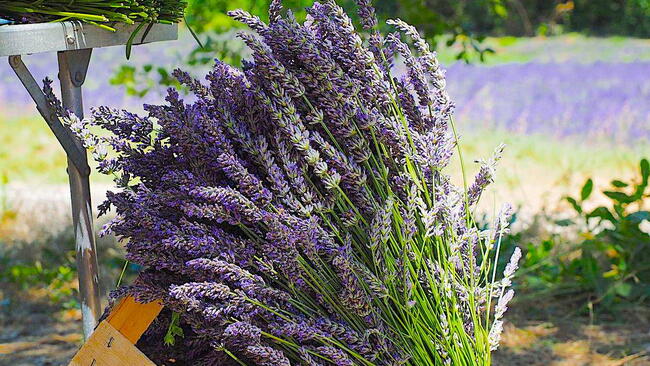
- Lavender: Lavender is a fragrant herb that repels pests and attracts pollinators. It also has similar growing requirements to echinacea.
- Yarrow: Yarrow is another herb that repels pests and attracts pollinators. It also has medicinal properties similar to echinacea.

- Catmint: Catmint is a low-growing, spreading plant that is drought-tolerant and deer-resistant. It also attracts pollinators and has a sweet, minty scent.
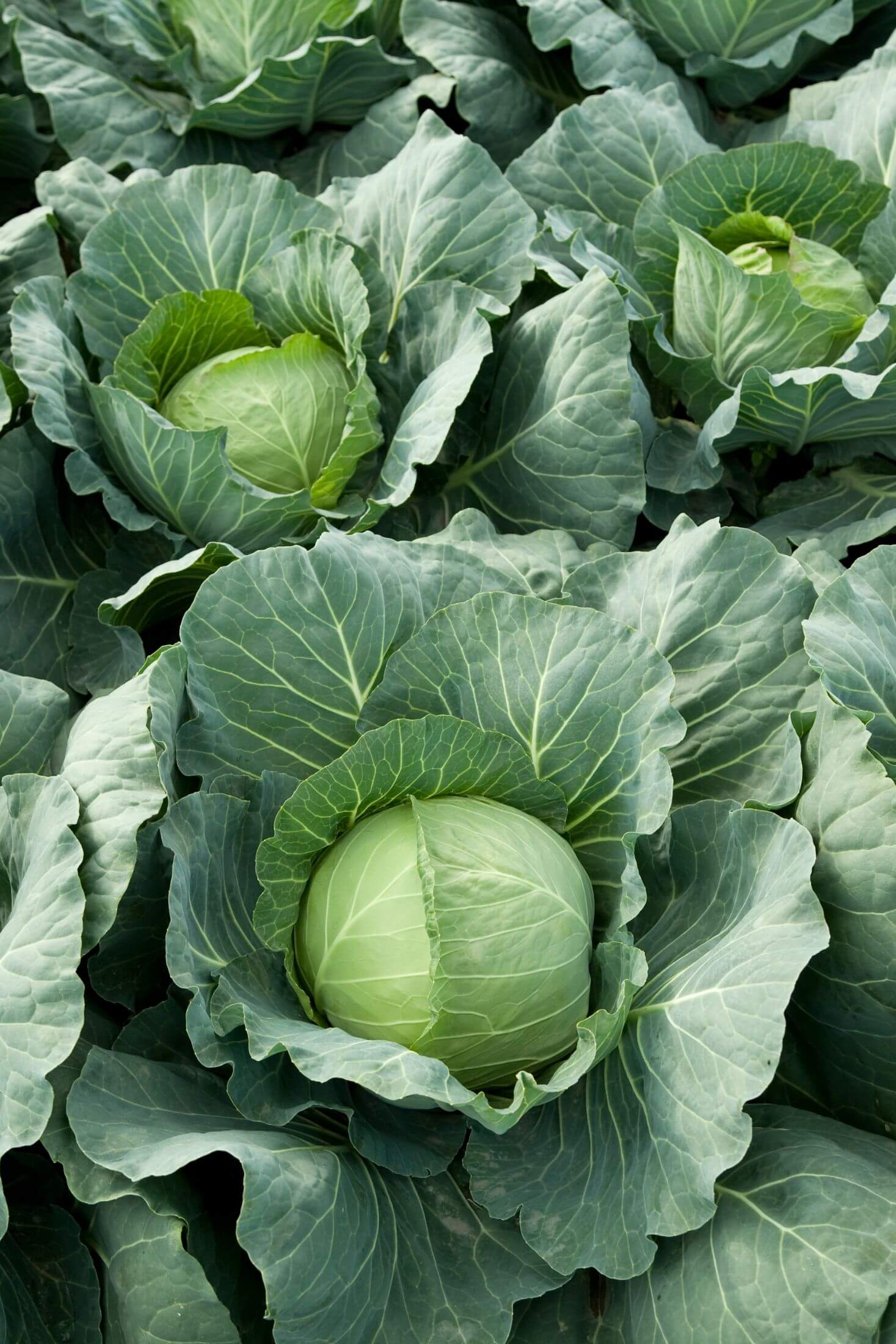
- Cabbage: Echinacea and cabbage are both members of the daisy family, so they will thrive in similar conditions. Cabbage also attracts beneficial insects that help to control pests.
- Goldenrod: Goldenrod is a tall, showy wildflower that blooms in the fall. It attracts pollinators and helps to attract beneficial insects that control pests.
- Sedum: Sedum is a succulent plant that is drought-tolerant and low-maintenance. It also attracts pollinators and helps to prevent erosion.

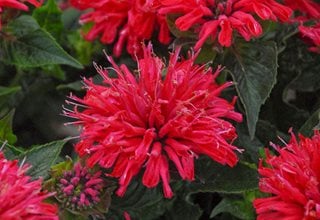
- Bee balm: Bee balm is a member of the mint family and is a favorite of pollinators. It also has medicinal properties similar to echinacea.
- Blue phlox: Blue phlox is a beautiful flower that blooms in the summer. It attracts pollinators and helps to deter deer.

- Butterfly milkweed: Butterfly milkweed is a native plant that is essential for monarch butterfly populations. It also attracts other pollinators and helps to improve soil quality.

These are just a few of the many companion plants that can be grown with echinacea. When choosing companion plants, it is important to consider the specific needs of your garden and the plants that you want to grow. With a little planning, you can create a beautiful and healthy garden that is full of beneficial plants.
Echinacea is a beautiful and versatile flower that can be grown in a variety of gardens. It's also a great companion plant for vegetables, as it can help to repel pests and attract pollinators. Some of the best companion vegetable plants for echinacea include:
- Lavender: Lavender is a natural insect repellent that can help to keep pests away from your echinacea plants. It also has a calming scent that can help to deter rabbits and deer. [Website address]
- Cabbage: Cabbage is a heavy feeder, so it can help to improve the soil quality around your echinacea plants. It also helps to suppress weeds and attract beneficial insects. [Website address]
- Tomatoes: Tomatoes and echinacea can help to improve each other's growth. Tomatoes provide shade for echinacea, while echinacea helps to deter pests from tomatoes. [Website address]
- Eggplant: Eggplant and echinacea can also help to improve each other's growth. Eggplant provides shade for echinacea, while echinacea helps to deter pests from eggplant. [Website address]
If you're looking for more information about echinacea companion vegetable plants, I recommend visiting Gardenia Inspiration. This website has a wealth of information on the topic, including a list of the best companion plants for echinacea, as well as tips on how to plant and care for them.
FAQ of echinacea companion vegetable plants
Q: What are some good companion plants for echinacea?
A: Echinacea is a North American native plant that is often used in herbal medicine. It is known for its immune-boosting properties and can be used to treat a variety of ailments, including the common cold and flu. Echinacea plants also attract beneficial insects, such as bees and butterflies, which can help to pollinate other plants in your garden.
Some good companion plants for echinacea include:
- Allium species (garlic, onions, chives): These plants repel pests, such as deer and rabbits.

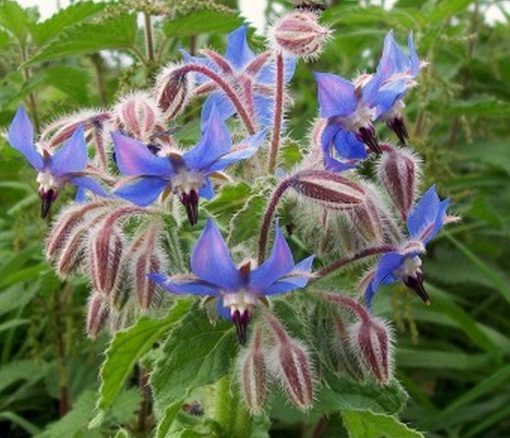
- Borage: This plant attracts pollinators and helps to deter pests.
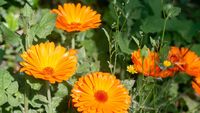
- Calendula: This plant helps to repel pests and diseases.
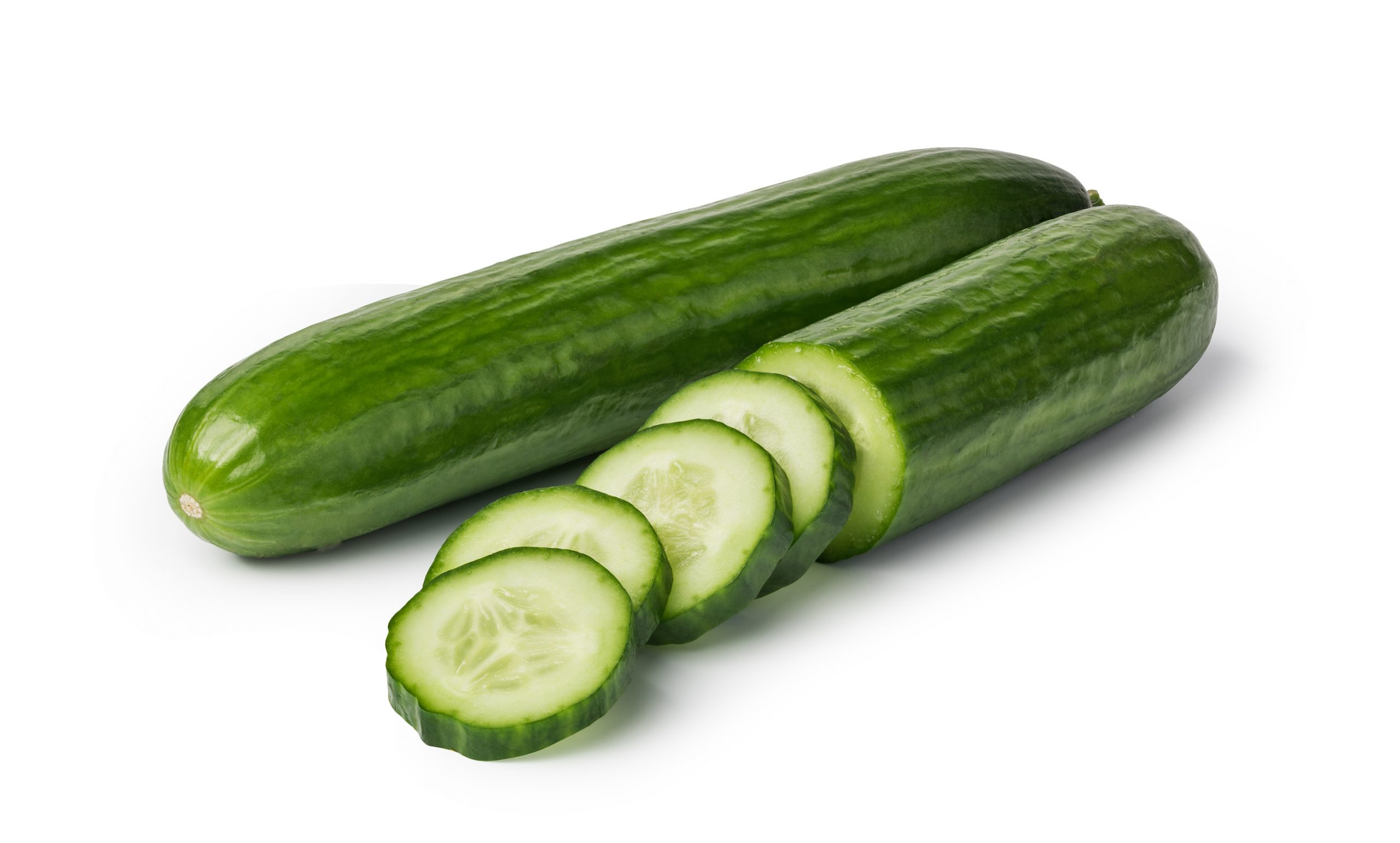
- Cucumbers: Echinacea helps to repel cucumber beetles.
- Herbs: Echinacea can be planted near other herbs, such as mint, thyme, and rosemary, to help deter pests.

Q: What are some bad companion plants for echinacea?
A: There are no known bad companion plants for echinacea. However, it is important to avoid planting echinacea near plants that have similar water and nutrient requirements. For example, you should not plant echinacea near tomatoes or peppers, as these plants require more water and nutrients than echinacea.
Q: How far apart should echinacea plants be planted?
A: Echinacea plants should be planted about 2-3 feet apart. This will give them enough space to grow and spread.
Q: How much sun do echinacea plants need?
A: Echinacea plants need full sun to partial shade. They will not flower as well if they do not get enough sunlight.
Q: How much water do echinacea plants need?
A: Echinacea plants need regular watering, especially during hot, dry weather. However, they are susceptible to root rot, so it is important to avoid overwatering.
Image of echinacea companion vegetable plants
- Carrots. Carrots and echinacea are both relatively tall plants, so they can help to shade each other from the sun. Carrots also help to improve the soil quality, which can benefit echinacea plants.
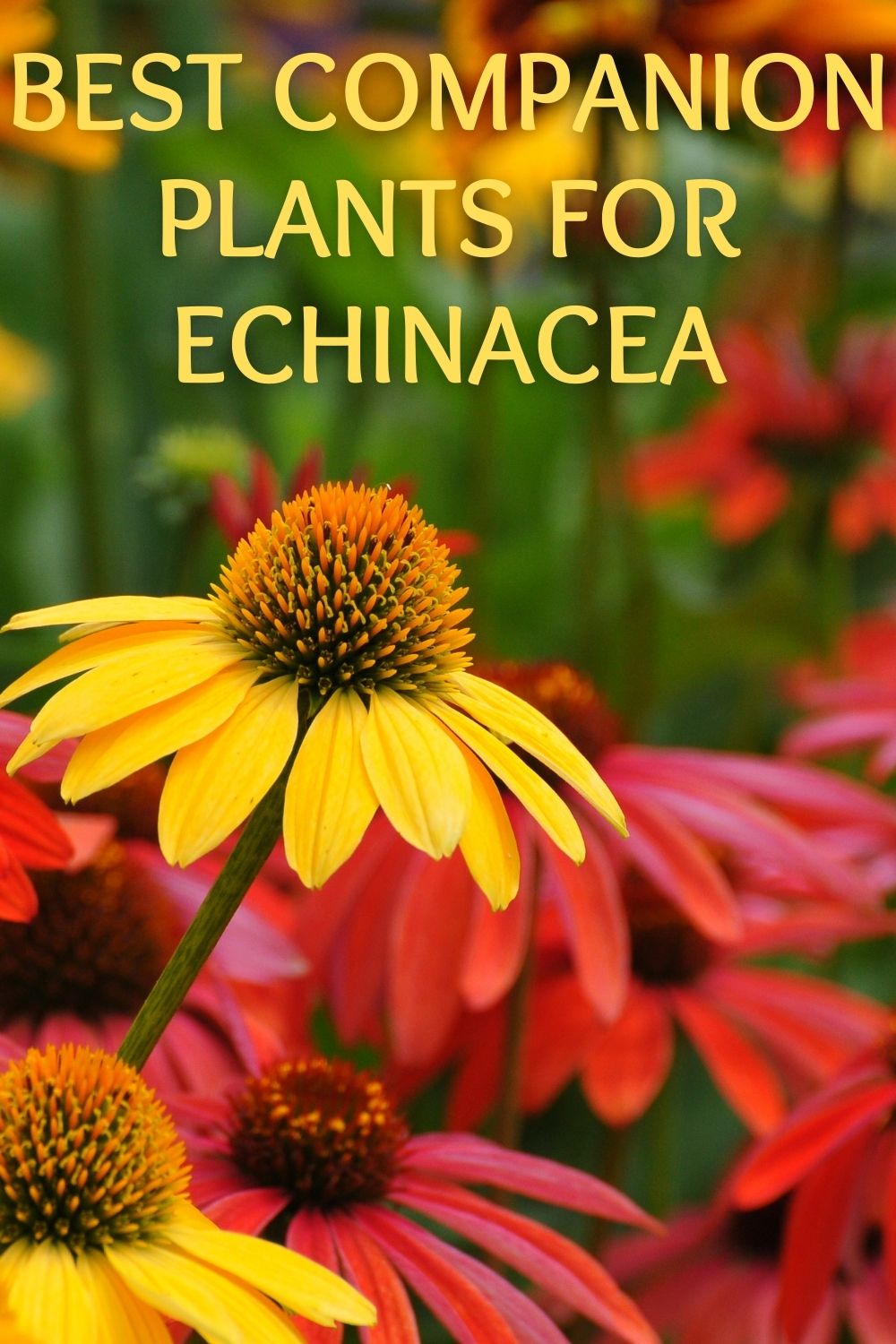
- Cucumbers. Cucumbers and echinacea both attract beneficial insects, such as ladybugs and lacewings. These insects help to control pests that can damage both plants.
- Peas. Peas and echinacea are both nitrogen-fixing plants, which means they can help to improve the soil quality for each other. Peas also help to suppress weeds, which can give echinacea plants a better chance to thrive.

- Potatoes. Potatoes and echinacea can help to deter pests from each other. Potatoes can help to repel aphids, which can damage echinacea plants. Echinacea can help to repel beetles, which can damage potato plants.

- Tomatoes. Tomatoes and echinacea can help to attract beneficial insects to each other. These insects help to control pests that can damage both plants.

Post a Comment for "Echinacea Companion Plants: The Ultimate Guide To Growing Healthy And Beautiful Flowers And Vegetables Together"